
Lessons learnt after running AI masterclasses for blue chip companies
A large part of my work helping organizations through digital transformation involves delivering AI masterclasses and hackathons. What I consistently see is a room of 40+ experienced business professionals and leaders, eager to understand AI but struggling with how abstract it feels and unsure where it actually applies to their work.
The key question for them is how to move from "AI is something new, powerful, and for some scary, with lots of potential for my work" to "I know how to actually implement AI in how I work."
That shift depends on two guidelines. The first is a clear understanding of the capabilities and limitations of these tools, stripped of the hype, along with how to use them safely. The second is experiencing them first hand through guided, hands-on practice on work that actually matters. The gap between where organisations are and these two guidelines, is where most corporate training gets stuck.
How to get hands-on?
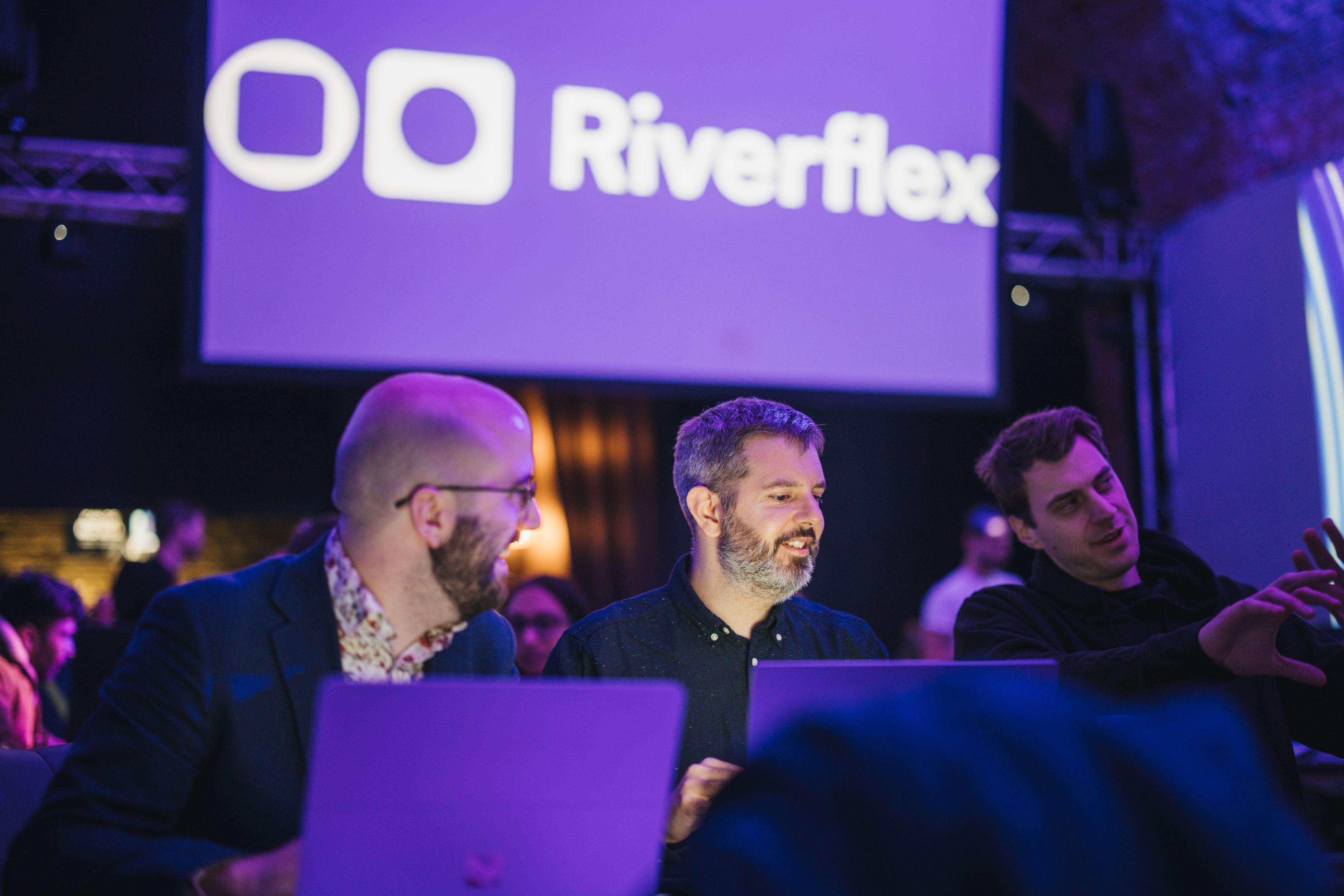
Give it time, and collaborate
Unfortunately, there is no shortcut. I often hear from participants that a single working day beats weeks of online trainings. Part of it comes from the learning by doing approach, as people need the time to actually experiment through trial and error. The other part is collaboration. People sitting together, helping each other troubleshoot and build on each other's ideas, which builds learning motivation and keeps the momentum alive.
Use AI to decodify AI
The biggest trick is meta prompting: using AI to write the prompt for AI. Before people see this, writing prompts feels like a chore reserved for technical specialists. The phrase “prompt engineering” alone can suggest that the work is reserved for technical people.
However, the method is simple. Open a separate chat and treat the AI as a thinking partner. Pour in all your messy, unstructured ideas about what you are trying to achieve, then ask it to turn that into a well-built prompt. Review what comes back, refine it, then copy it into a fresh chat and put it to work. When people watch this live, they’re often surprised by how fast and accessible it is.
Connect to real problems
Different business units face distinct business problems, and generic training tends to gloss over that with tidy, one size fits all examples that feel remote from anyone's actual day. So I flip it around. Teams bring the challenges they are genuinely facing, and we work through them together in the room.
When someone watches a real problem from their own lives get solved in minutes, using tools already installed on their laptop, AI stops being a concept from a keynote and becomes something they can use the next morning. That feeling of "I could have used this last week" is what turns interest into adoption.
Know the limitations
Understanding where AI falls short matters more than admiring what it does well. Most training skips this part, which is a mistake. People need to know where AI will waste their time, where it needs close supervision, and which use cases are simply not worth pursuing.
This ranges from core limitations like hallucination risks, differences in capabilities across current AI tools, to understanding if their specific use case can actually be tackled by agentic innovation. And there is the harder judgment call of whether a given workflow is a sensible fit for automation or agentic approaches at all, or whether it still needs a person in the loop.
When you learn from someone who has spent months bumping into those walls across tools and use cases, you skip a lot of painful trial and error. You learn what to invest in and what to leave alone for now.
What I have taken away from this

Companies are not struggling with AI because their people are disengaged. They are struggling because the environment built for learning has not kept pace with the ambition of the investment. Real adoption needs dedicated time, applied consistently, and experience led learning tied to work the participants actually care about.
After these sessions, leaders report excitement and momentum. People leave with ideas, eager to explore where AI can add value to their workflows. A single hackathon or masterclass creates a spark, which can however fade away without sustained reinforcement efforts. Organizations need continued investment in building a learning and transformation culture that is embedded in how the company works.